Case 01 of 04

eli,
a classroom
that feels less lonely.

Eli is a handheld device for students, paired with a desktop dashboard for teachers, for online class when learners are struggling with feelings of disconnection or isolation — so they can re-engage with the classroom.

Year
2021
Role
Designer (with Andreas Thoma and Alex Pribula)
Research, industrial design, prototyping
Context
Bachelor of Design Computing / Interactive Product Design Studio unit
Outcome
High Distinction
Shortlisted, USyd ADP Industry Award
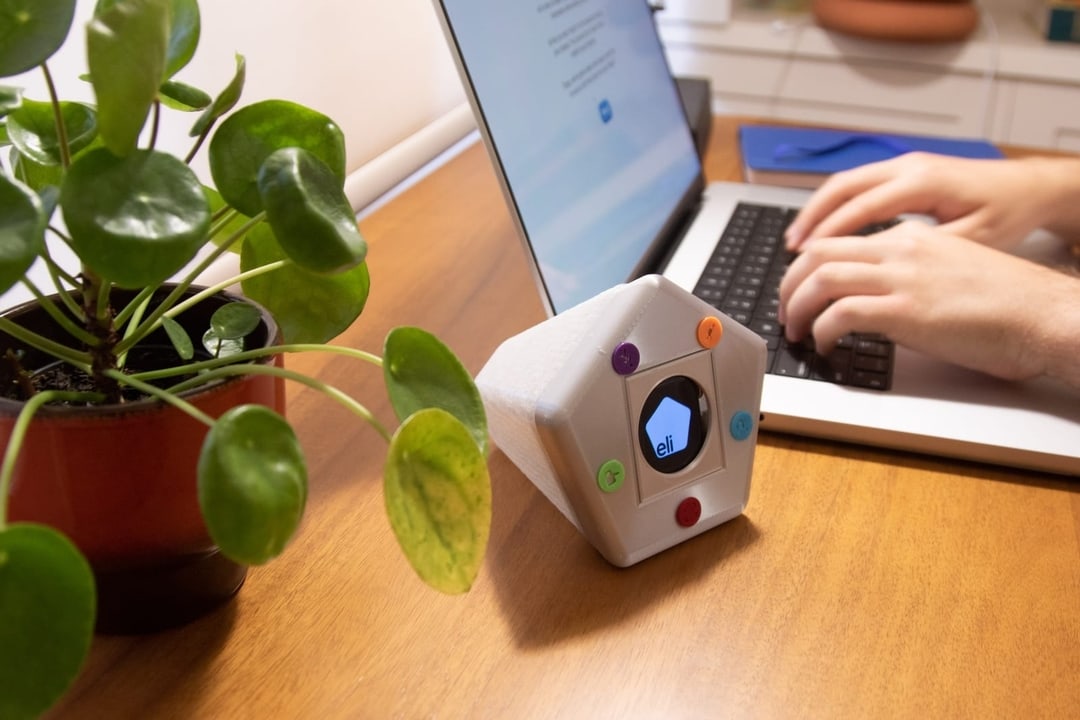
Eli device on a desk next to a laptop and plant

01 / Problem

Kids in online classes were struggling. We assumed it was bandwidth and laptops. We were wrong.

Rural students and everyone stuck at home during lockdowns were slipping behind. At first we thought the blocker was access: internet, devices, materials.

Talking to people flipped that. The harder part was feeling alone in the room. Without the little social cues you get in person (a nod, a laugh, a quick “huh?” in the chat), the link between student and teacher thinned out. Motivation dipped, then grades did too.

  • Teachers couldn’t “read the room” the way they do when everyone’s physical.
  • No easy way for students to say “I’m lost” without spotlighting themselves.
  • The class started to feel like content delivery instead of a shared space.
02 / Approach

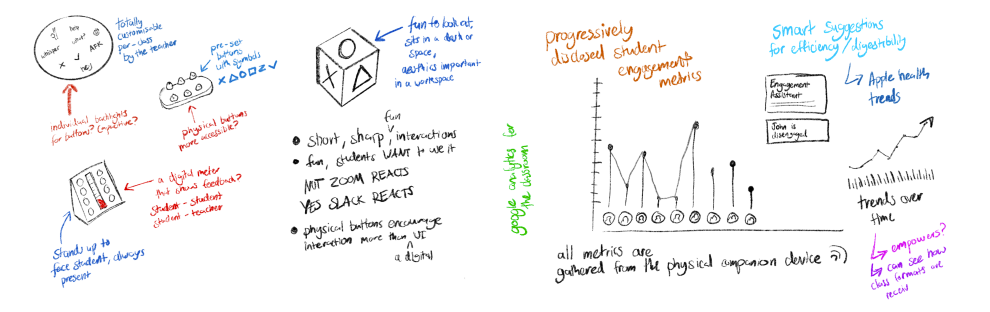
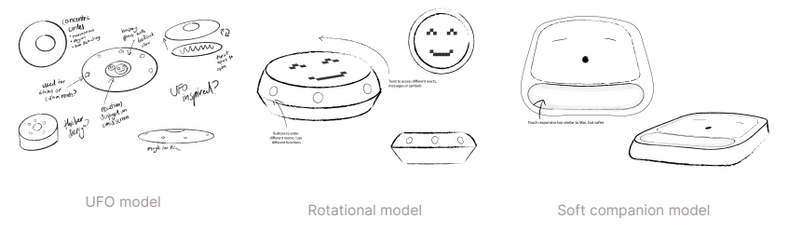
We talked to people, mapped what kept coming up, ran Crazy 8s, then scored ideas against the research instead of chasing the prettiest sketch.

Four themes kept repeating. We drew a pile of directions, then used a decision matrix so we weren’t just voting for the coolest render.

The idea that stuck was engagement off the laptop: a physical thing on the desk while the screen was already buried in school tabs. We built quick software and 3D prints, ran it in real classes, and patched what fell over.

InterviewsQuestionnairesAffinity diagramsEmpathy mapsCrazy 8sDecision matrixIn-class testing
  • Sketches and rough models before we locked a shape — no hero render first.
  • Real classrooms beat a polished lab demo for “does this even work?”
Early Eli sketches
Early sketches and directions from Crazy 8s.
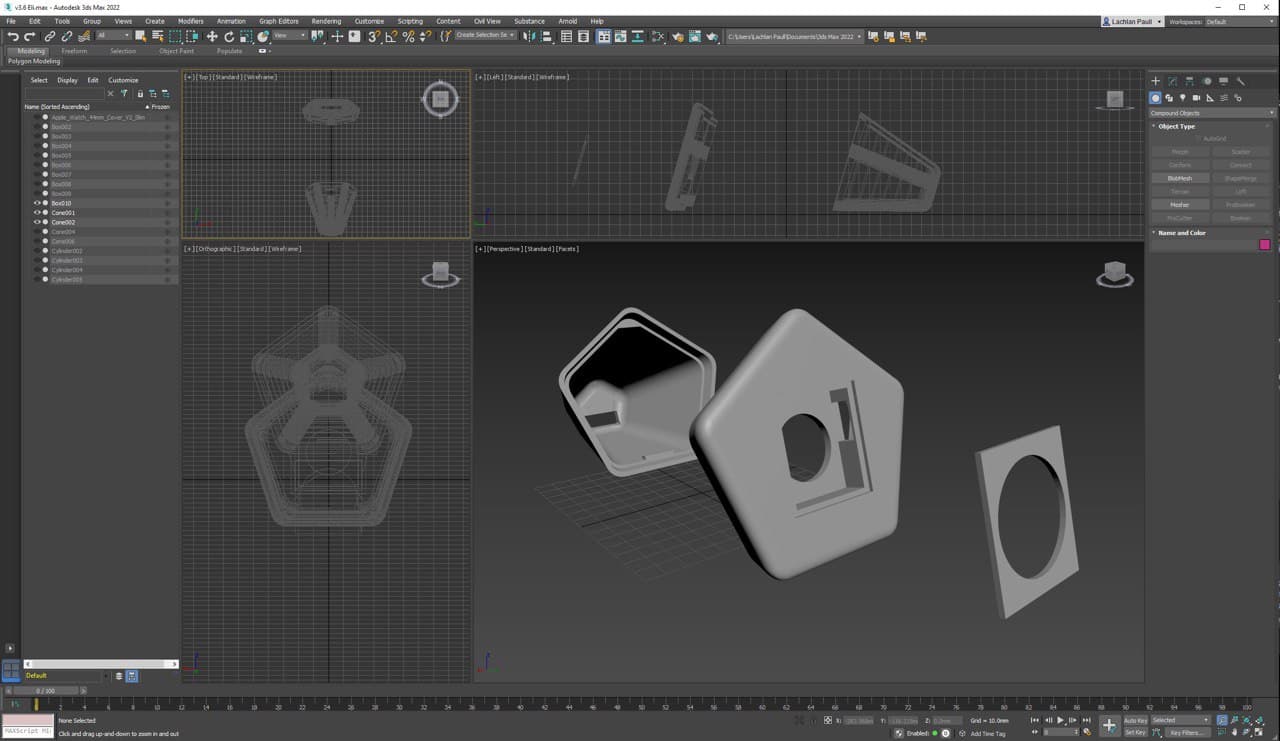
Form-factor exploration
Form-factor exploration before locking a shape.
Eli modelled in Blender
Modelling in Blender for print-ready geometry.
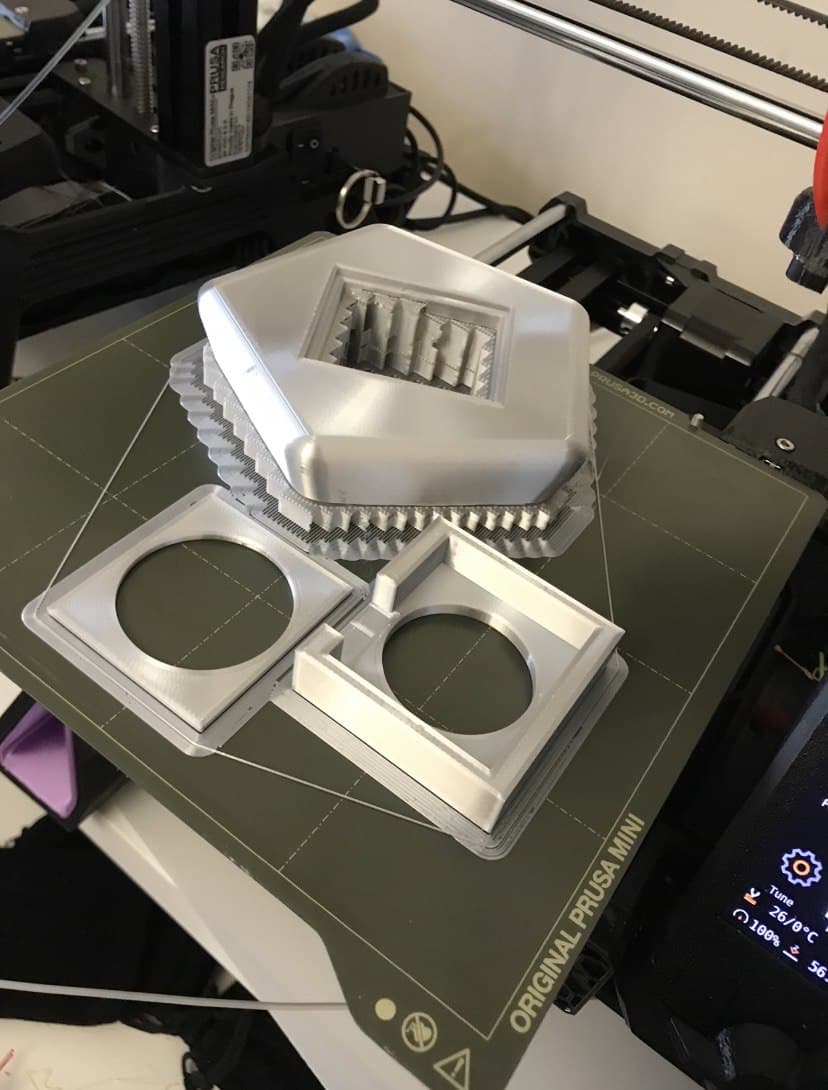
3D-printed Eli device
First prints students could hold on the desk.

03 / Outcome

We shipped a full slice: hardware, student onboarding, and a teacher screen that wasn’t a NASA control room.

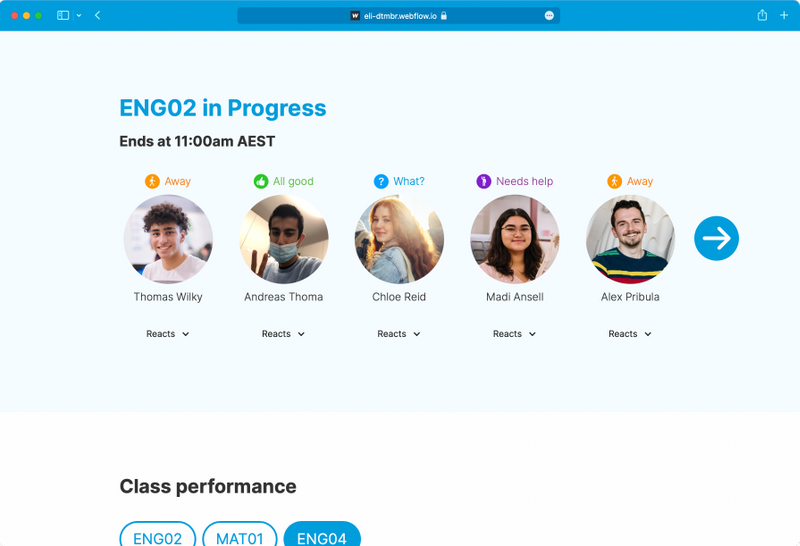
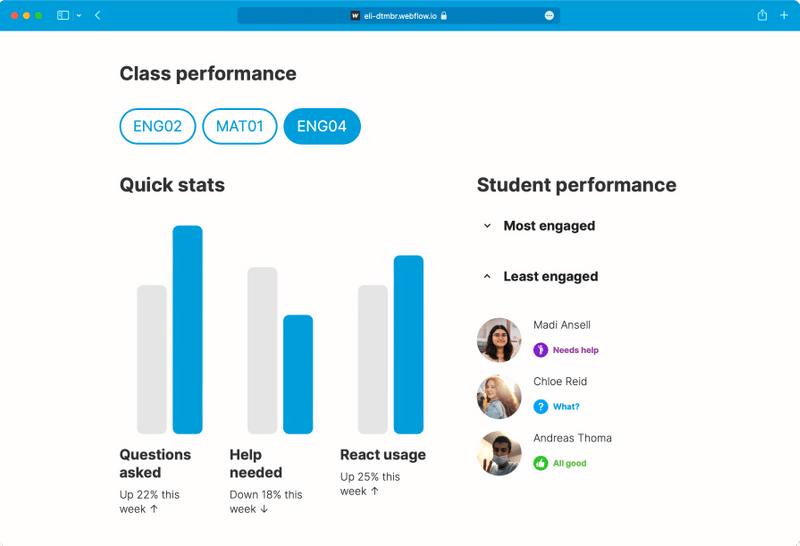
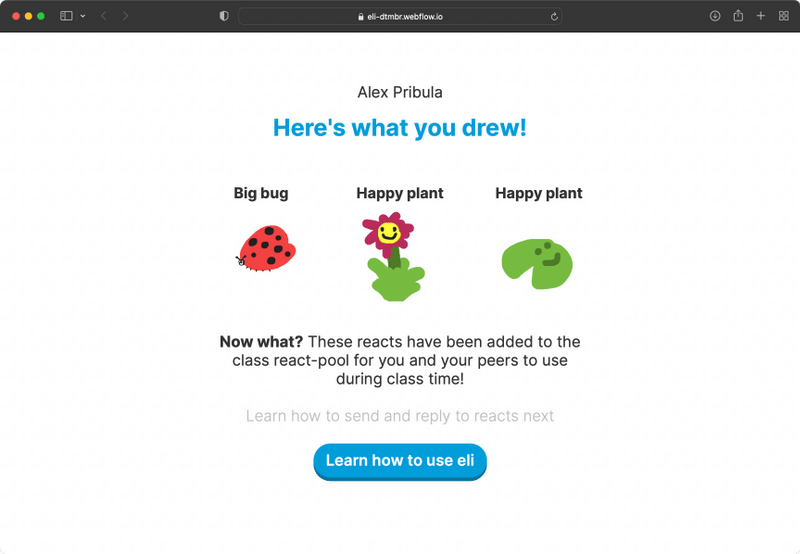
Kids pinged mood, “got it / nah”, and reactions with emoji they picked in setup. Teachers got a sparse dashboard — enough to see who might need a nudge, not a Bloomberg terminal while they’re teaching.

Outputs were a printable 3D model, onboarding with custom emoji, and a Webflow + Zapier dashboard (yes, scrappy). Uni side: High Distinction, plus shortlisted for the USyd ADP Industry Award.

  • No need to unmute or write an essay in chat to take part.
  • Teachers could feel the room without halting class for a formal poll.
  • Webflow + Zapier was hacky but fine for proving the idea.
Teacher dashboard showing student reactions
Teacher view: low density on purpose, so you glance and keep teaching.
Dashboard class performance view
Class-level read on how the group is tracking.
Dashboard student detail view
Drill-down when someone might need a check-in.
Next case

Digital Birth
Certificate